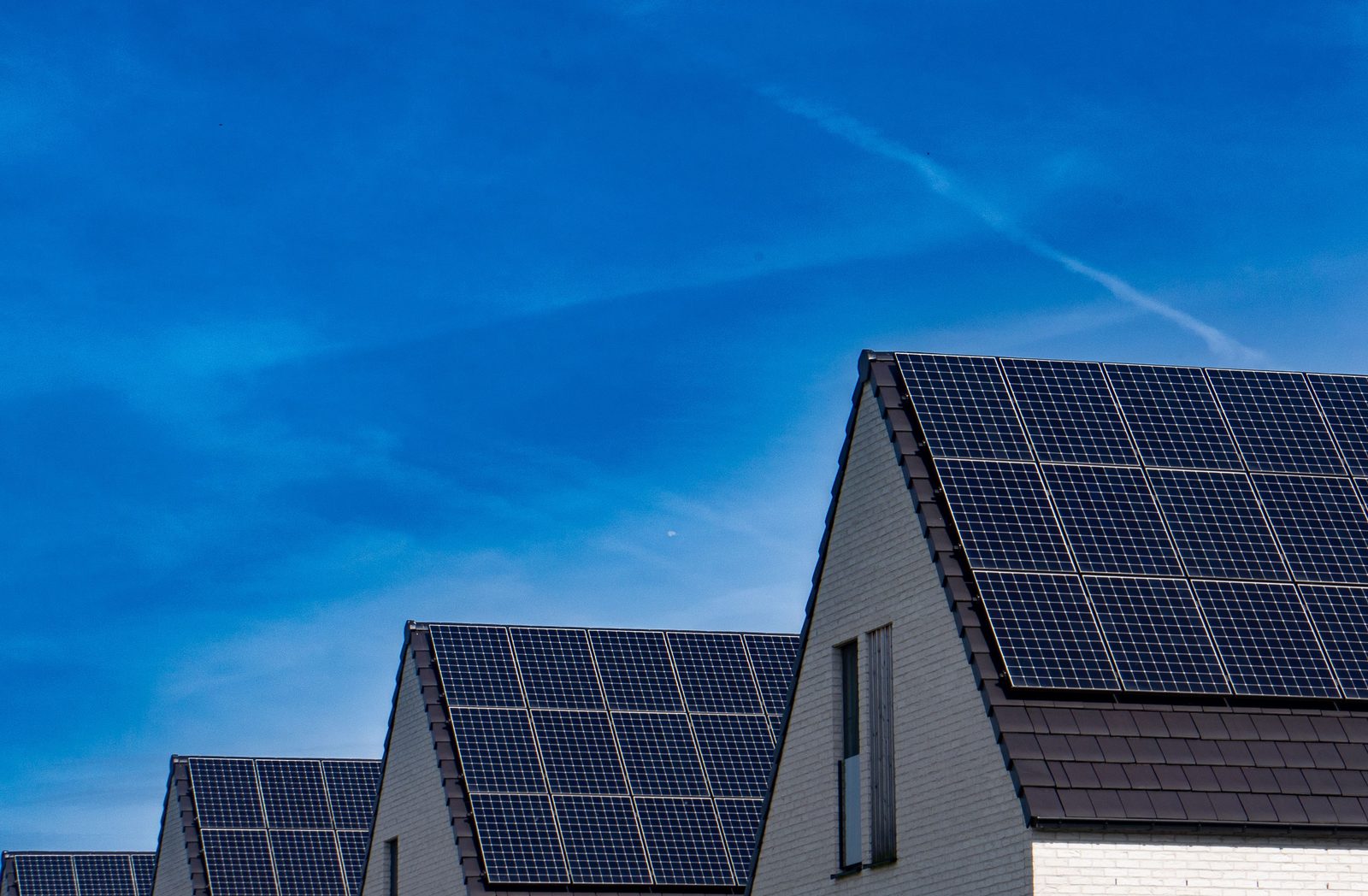
If you are thinking about making your home warmer and cheaper to run, there is more money on the table right now than most people realise. Several lenders will pay you cashback or lend to you interest free for green improvements, and here in Scotland there is government funding sitting on top of all that. The catch is that these schemes rarely talk to each other, so it is easy to claim one and miss another you were entitled to. Here is how the main ones work in 2026, and where they fit together.
ROUTE ONE: CASH BACK FOR MAKING IMPROVEMENTS
The most straightforward option is the reward you get for doing the work. You take out or move your mortgage, make an eligible improvement, send in the invoice, and the lender pays you cash back.
The best known is the Halifax Green Living Reward. According to Halifax, qualifying mortgage customers can claim cashback on a tiered basis: up to £2,000 for installing a heat pump, £1,000 for solar panels or battery storage, and £500 for other measures such as insulation, double glazing or a biomass boiler. You need a Halifax current account, and the work has to be completed within a year of your mortgage, remortgage, product transfer or further advance. It is not tied to a particular product, which is part of why it comes up so often.
Barclays runs a similar reward through its Greener Home Reward, paying either £500 or £1,000 depending on the improvement, up to a maximum of £1,000. It is open to existing residential mortgage customers with no extra borrowing needed, though the work has to be carried out by an MCS certified installer.
ROUTE TWO: BORROWING TO FUND THE WORK
If the improvement costs more than a cash back payment covers, the next question is how to fund it. This is where interest-free borrowing has become genuinely useful.
Nationwide leads here with its 0% Green Additional Borrowing. Existing Nationwide mortgage customers can borrow between £5,000 and £20,000 at 0% fixed interest for either two or five years, with no product fee, as long as all of it goes towards eligible improvements like solar panels, a heat pump, insulation or new windows. Nationwide extended the scheme in early 2026, so it is one to keep an eye on. Once the fixed period ends, any balance left moves onto their standard rate, so the trick is to clear it inside the interest-free window where you can.
For bigger retrofit jobs, a couple of building societies lend more. Skipton offers green additional borrowing of up to £50,000, the highest ceiling of the lot, and Coventry goes up to £25,000. Both are interest bearing rather than free, and typically ask that at least half the money goes on the green measures, but the higher limits suit a whole-house project that a smaller 0% loan would not stretch to. Leeds Building Society and the Co-operative Bank run similar products, so it is always worth checking what your own lender offers.
ROUTE THREE: BUYING A HOME THAT IS ALREADY EFFICIENT
You do not always have to do the work yourself. If you are buying or remortgaging a home that already has a strong EPC rating, several lenders will reward you for it. Homes rated A or B tend to unlock either cashback or a small rate discount. Halifax offers £250 cashback on a qualifying deal for an A or B rated home. Nationwide’s Green Reward pays new mortgage customers for buying an energy-efficient property, with more for the very best ratings. HSBC’s Energy Efficient Homes product pays cashback of up to £750 on standard deals for an A or B rated home, and NatWest applies a small discount to selected rates. The savings on the rate options are usually modest, in the region of a tenth to a fifth of a percent, but they add up over a fixed term and they sit on top of anything else you claim.
GREEN FUNDING IN SCOTLAND: GRANTS AND INTEREST FREE LOANS
Here is the part that often gets missed. On top of anything a lender offers, Scotland has its own funding through Home Energy Scotland, a Scottish Government scheme administered by the Energy Saving Trust. It is not something we provide or administer, but it is well worth knowing about.
At the time of writing, the Home Energy Scotland Grant and Loan offers up to £7,500 as a grant towards a heat pump, plus an optional interest-free loan of up to £7,500 towards the rest, with extra available for rural and island homes. There is separate funding for insulation. The important thing for homeowners is that this grant funding and lender cashback or borrowing are not an either or, they can often be combined.
Grant funding is subject to eligibility, availability and change, and figures are correct at the time of writing. For the current position and to check whether you qualify, go straight to the source: Home Energy Scotland, or call them on 0808 808 2282.
WHERE A MORTGAGE BROKER FITS IN
The reason these schemes are easy to miss is that no single lender will tell you about the others, and none of them will tell you how their offer lines up with Scottish grant funding. That is the bit we enjoy. As a whole-of-market mortgage broker we can look across all of it, work out which lender’s incentive actually suits your plans, and make sure the mortgage side is set up to work alongside whatever funding you are pursuing rather than tripping over it.
Lender schemes change often, so everything above is correct as of July 2026 and worth confirming before you commit. If you are weighing up a greener home or a green improvement and want to know how the numbers stack up for you, we genuinely love talking this through. Get in touch and we will happily walk you through the options.
FREQUENTLY ASKED QUESTIONS
CAN I USE A SCOTTISH GRANT AND LENDER’S GREEN INCENTIVE TOGETHER?
Often, yes. Home Energy Scotland funding and a lender’s cashback or borrowing are usually separate pots, so many homeowners can draw on both for the same project. The detail matters though, so it is worth getting the order and the paperwork right before you commit to anything.
DO I NEED AN EPC RATING OF A OR B TO BENEFIT?
Not always. The cashback for improvements and the interest-free borrowing are about the work you are doing, so they do not require a top rating to start. It is only the “buying an efficient home” rewards that ask for an A or B, since those reward the rating itself.
WHERE SHOULD I START?
A good first step is to find your home’s current EPC and have a think about what you would actually like to do, whether that is a heat pump, insulation or something smaller. From there, Home Energy Scotland can talk you through any grant funding, and we can look at how the mortgage side fits around it. There is no harm in asking early, it often shapes the order you do things in.
—————————
If you need independent mortgage advice, book a video call, give us a ring, or pop into our office in Dunblane or Glasgow for a chat over a coffee. We have been helping clients across Scotland and the UK with their mortgages since 2001, and we genuinely love what we do.
Email us below or book a meeting via the link above.

—————————
IMPORTANT INFORMATION
Your home may be repossessed if you do not keep up repayments on your mortgage. Mortgage Advice Brokerage is authorised and regulated by the Financial Conduct Authority (FCA: 479200). The information contained in this article is for guidance purposes only and does not constitute advice. Your individual circumstances will affect which mortgage products are available to you.